Affiliates program
 Login
Login


As the CNIL has announced that sports federations will be one of its priority areas for inspections in 2026, mastering data has become more strategic than ever for sports organisations. On March 19, Axeptio brought together more than 70 SportTech and MarTech decision-makers at the adidas arena for Axeptio Connect Sports. Conceived as a forum for clubs, federations, startups and digital marketing experts, the event explored how sports organisations can better understand their audiences, enhance the fan experience and unlock new growth drivers through data. Here is a recap of the key highlights from this event, co-hosted by Axeptio and Paris Basketball. You’ll also find replays of each talk (don’t forget to turn on subtitles directly on YouTube if you don’t speak French).
Diversifying Sports Club’s Activities to Build a Global Brand and a Destination for Experiences
As host club for the event and an Axeptio partner through both its CMP and its Business Club, Paris Basketball kicked off the event with an opening keynote from Jérôme de Chaunac, Chief Business Officer at Paris Basketball.

Jérôme de Chaunac, Chief Business Officer of Paris Basketball
One of the key takeaways was that a modern club can no longer focus on sport alone. Drawing inspiration from US franchises, Paris Basketball is building itself as a global brand, one that extends well beyond the court, rooted in the culture and community life of Paris, while also relying on a venue conceived as a fully fledged experience in its own right: the adidas arena.
This strategy of diversifying the club’s activities has recently taken shape through a landmark partnership with Paris 1 Panthéon-Sorbonne University, the launch and immediate success of an Airbnb Experience offer, and the upcoming gala hosted by the club’s Foundation on April 14.
Together, these examples show how Paris Basketball is seeking to multiply touchpoints with its audiences, expand beyond the sporting calendar alone, and extend its brand into other spaces: academic, cultural, experiential and community-based.
Compliance as the Foundation of a Trust-Based Relationship With Fans
Romain Bessuges-Meusy, co-founder of Axeptio, and Jérôme Perani, Chief Revenue Officer, then took the floor to connect these business ambitions with data quality, using the opportunity to remind the audience that a CMP is often the very first digital touchpoint with fans.
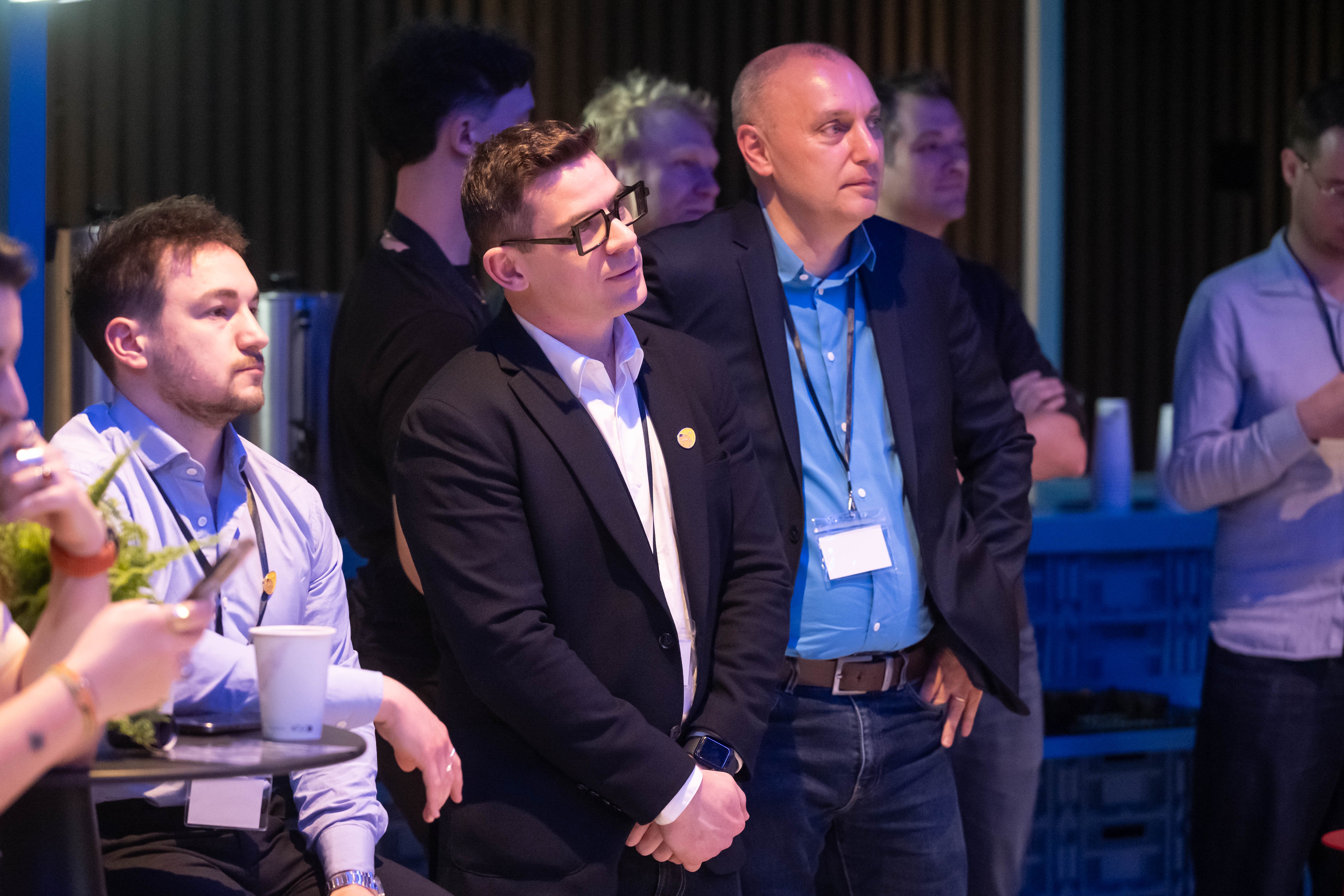
Romain Bessuges-Meusy, CEO and co-founder of Axeptio, and Jérôme Perani, Chief Revenue Officer
Their talk drew on a sector study conducted across 270 professional club websites spanning France’s five major team sports. Of those 270 clubs, 40% do not have a consent banner in place, and among those that do use a CMP, a large majority rely on superficial consent practices. In the end, only 10% of the websites were found to be genuinely respectful of user consent.
Beyond the compliance issue, the discussion highlighted a simple reality: in sport, no strong relationship between a club and its supporters can exist without trust. To help strengthen that bond, Axeptio is innovating by integrating video directly into the CMP, turning a legal requirement into a genuine storytelling opportunity. This shift in perspective allows each club to express its identity and tell its story from the very first click, transforming the cookie banner into a lever for trust and higher-quality data.
Revenue Management: Sports Clubs Regain Control of their Ticketing and Data
For years, sports clubs sold their tickets through third-party distributors, often at the cost of losing valuable customer insight. Data flowed first to those platforms, leaving sports organisations with only a partial understanding of their audiences.
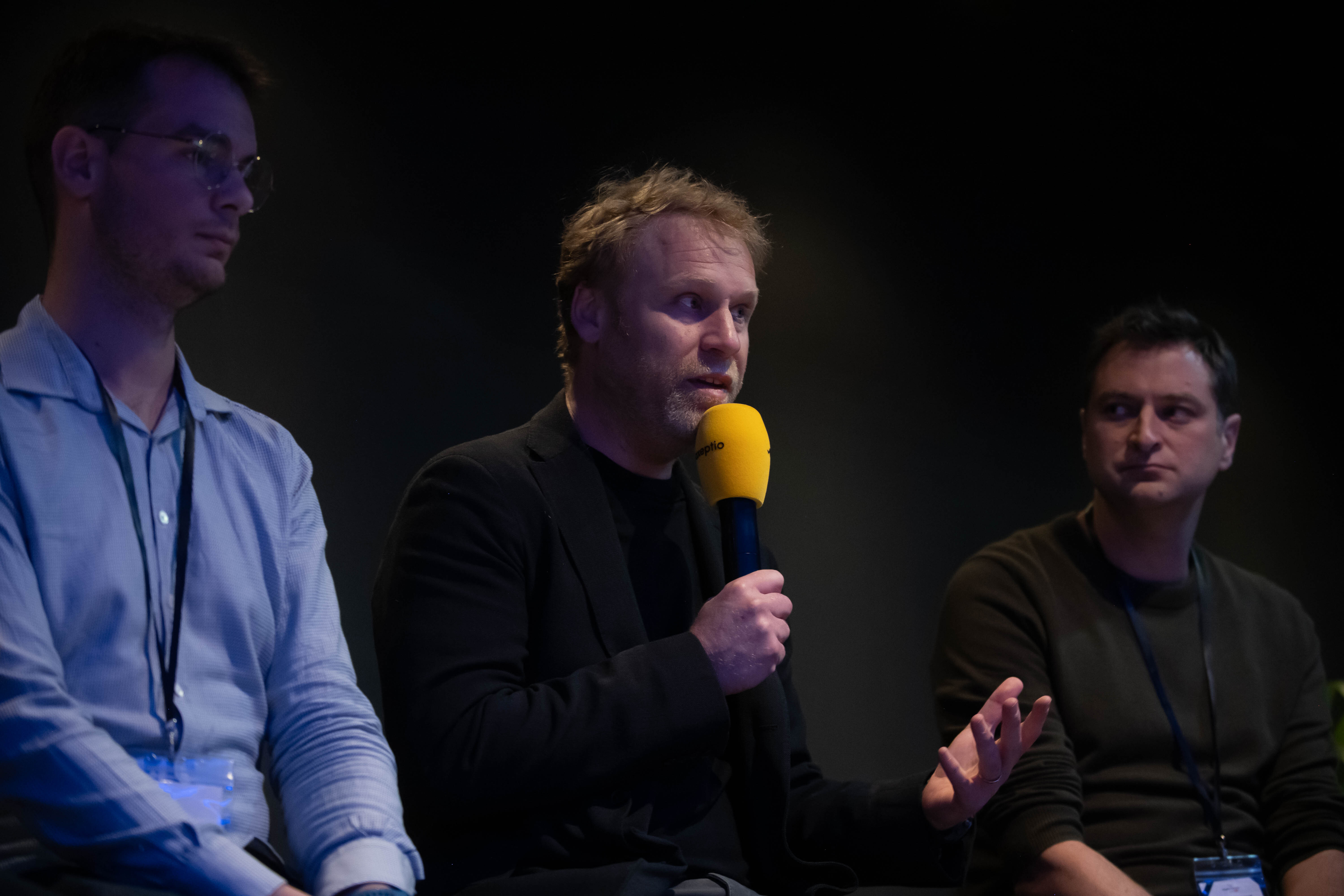
Thomas Kouck, President of fanxp
According to Thomas Kouck, President of fanxp, the challenge is to reverse that model and turn clubs and federations into true retailers, able to control every touchpoint by bringing their tools in-house, from front-end interfaces and ticketing systems to apps and CRM.
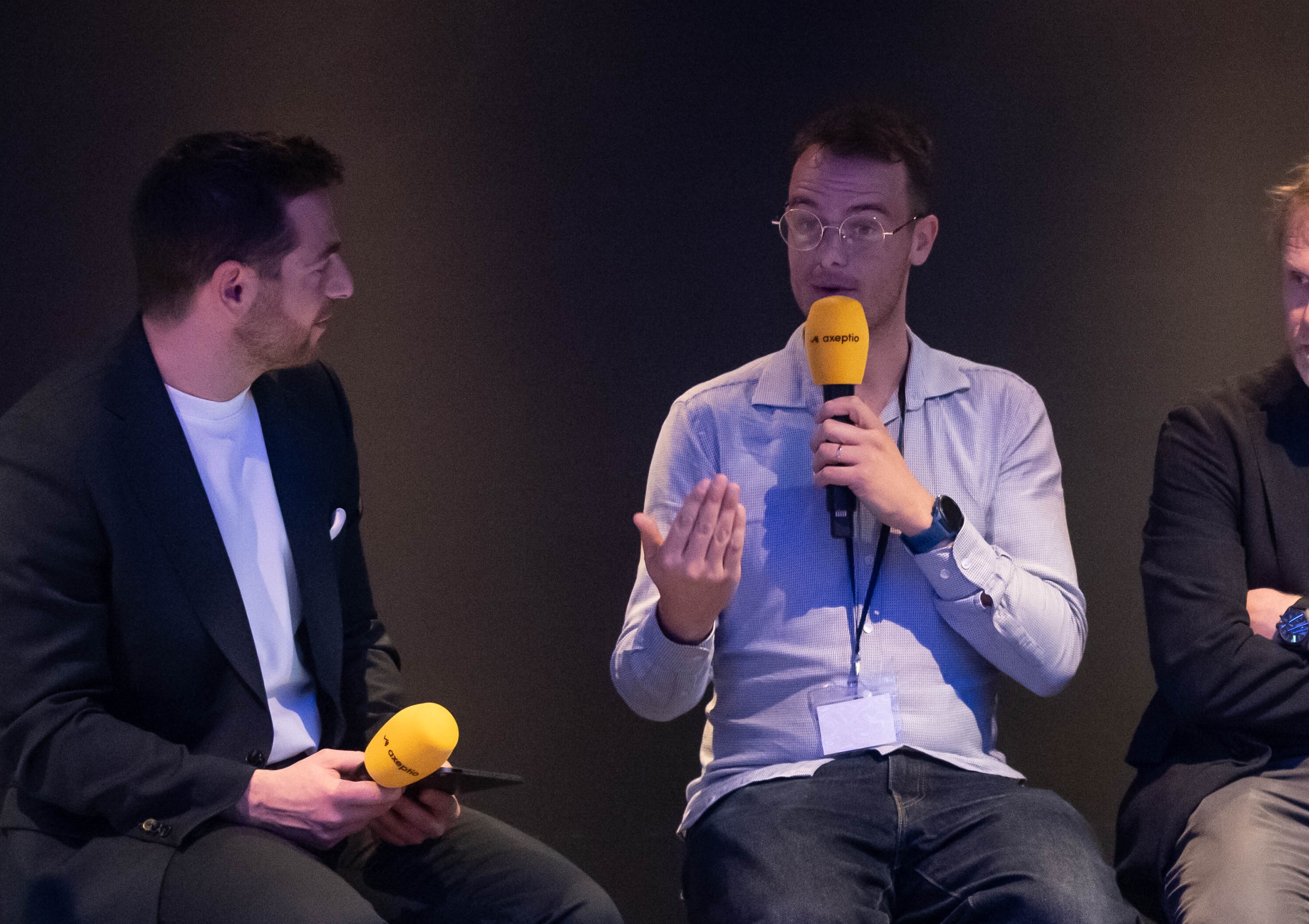
Lucien André, Head of Ticketing, HBC Nantes
This reclaiming of the tools opens the door to revenue management. By internalising their ticketing operations, clubs can manage sales more precisely, segment their audiences, refine their offers and strike the right balance between occupancy rates, average revenue per seat and long-term loyalty. Lucien André, who oversees ticketing strategy, season-ticketing and the entire CRM chain at HBC Nantes, has been using dynamic pricing for the past eight years to adjust prices based on demand, maximising revenue without weakening the relationship with the club’s most loyal supporters.

Hugues Charmet, co-founder of Korus
Once ticketing has been brought in-house, clubs can also expand their distribution channels to reach new audiences without giving up control of their offer. That is precisely the position defended by Hugues Charmet, co-founder of Korus: enabling rights holders to distribute their tickets through a complementary network of sales partners. The promise is greater commercial reach while absorbing the technical complexity tied to ticketing system integrations and data flows.
LOSC: Combining Data Sources to Better Understand the Audience
Rémi Poulet, CEO of 1min30 Agency, and Charly Bourasseau, who was previously in charge of digital campaigns and later CRM at LOSC before joining the agency, explained how the club structured its CRM around HubSpot to better understand its audiences and manage customer relationships more effectively. The first challenge is to accurately distinguish between buyer profiles across ticketing (online store vs physical shops), while also gaining a more accurate picture of which spectators are actually in the stadium on matchdays.

Rémi Poulet and Charly Bourasseau, 1min30 Agency
To achieve this, LOSC relies on a more advanced approach to data analysis. This includes implementing a scoring methodology designed to assign value to contacts in the database, as well as gradually integrating new data sources capable of enriching marketing scenarios.
This strategy is built on seven sources connected to HubSpot, covering online ticketing, physical stores, e-commerce, social media contests, mobile app, B2B data and SSO, in order to build a much more granular view of each customer’s behaviour.
Engagement and Gamification as the Next Growth Frontier
Opening the final session, which focused on the future of the sector, Jules Boisson, Head of Development at SporTech, a collective bringing together more than 200 startups, highlighted two young companies whose approaches directly build on the issues raised earlier in the afternoon: deepening fan engagement and generating new forms of actionable data.
With Kolizeo, the idea is to create a Gaming Zone designed as a new space for club communities and partners to engage and interact. Games, challenges, voting features, social activations, collectibles and rewards are all conceived as participation mechanics that can drive engagement while encouraging more regular interactions with the club’s brand.
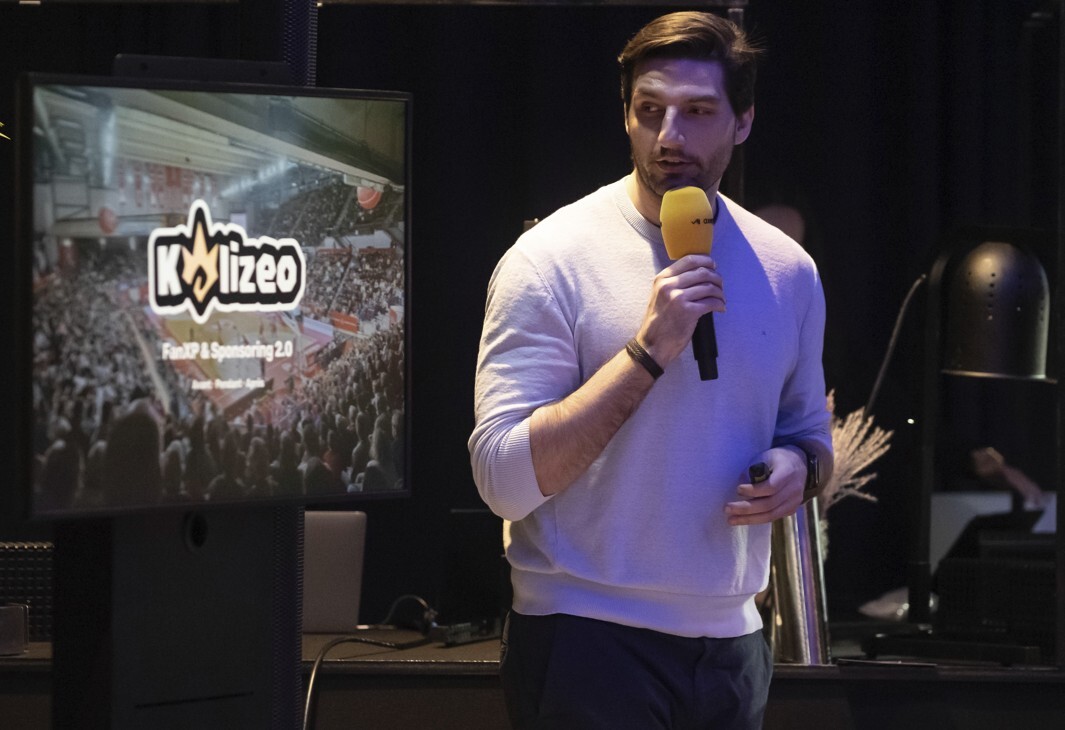
Frederic Kastendeuch, Founder of Kolizeo
Tricera, for its part, is exploring a path more directly tied to the live sports experience itself. The startup aims to turn fans from passive spectators into active participants, giving them the opportunity to influence the match or halftime entertainment through votes or in-game bonuses applied on the field. This approach brings to the surface a new kind of data: fans’ preferences as expressed live by the crowd.
Final thoughts
Sport is entering a new stage of maturity, where performance increasingly depends on how well organisations understand their audiences, structure their data, manage their distribution and create new experiences for fans.
.jpg?width=6000&height=4000&name=2026-03-19_MenestrelProductions_AxeptioConnect%20(13).jpg)
Axeptio would like to warmly thank all of the speakers, the Paris Basketball and adidas arena teams for their hospitality, and everyone who took part in Axeptio Connect Sports.