Affiliates program
 Login
Login


The rise of generative AI presents a tempting prospect for executives: cutting costs by bringing services in-house that were once handled by external SaaS providers, replacing them with AI-generated, home-grown solutions.
Consent management might seem to fall into this category. However, as international regulations tighten and technical standards grow more complex, managing consent has become a critical link in web infrastructure. It requires a level of expertise, maintenance, and interconnectivity that AI alone—even with developer assistance—cannot guarantee over the long term.

Maintaining Critical Business Infrastructure
Developing a Consent Management Platform (CMP) with the help of AI is theoretically possible. Generating a cookie banner and producing a script to collect user consent are coding tasks, and code is now heavily assisted by technologies like Claude.
However, the real challenge for any consent management solution lies in its ongoing maintenance. Every new tracking solution, every analytics tool, and every new marketing partner requires updating the vendor registry. This list of partners structures the information provided to the user and determines the legal validity of their consent.
Consequently, any evolution in the marketing and technology stack necessitates CMP maintenance to ensure consistency with declared purposes and the granular choices offered to the user. With a specialized SaaS solution like Axeptio, this process takes just a few clicks in a back office designed for all users.
In a custom-built solution, maintenance requires a full development cycle: testing, deployment, web development expertise, and permanent internal accountability. The question is not whether AI can produce an initial version of a CMP; it is who will bear the responsibility for its day-to-day evolution.
Staying Ahead of Legal Shifts: Why Expertise Outpaces AI
The legal framework governing personal data is constantly evolving. From Europe’s GDPR and Quebec’s Law 25 to the California Consumer Privacy Act (CCPA) in the United States, these regulations are frequently updated. Meanwhile, new laws are emerging worldwide, each with its own specificities.
Technical standards add another layer of complexity, such as Google’s Consent Mode v2 for modeling missing data, or IAB Europe’s Transparency and Consent Framework (TCF), which is essential for publishers using Google’s advertising solutions. Each new version of the TCF requires precise adjustments, as seen with the transition to TCF v2.3, which came into effect on February 28th.
For a SaaS solution like Axeptio, long-term compliance is rooted in legal expertise. A dedicated team of legal experts and lawyers analyzes regulatory changes, interprets decisions from authorities like the CNIL, and anticipates upcoming trends.

Foregoing a solution like Axeptio means taking responsibility for regulatory monitoring, technical standard analysis, and the operational implementation of these requirements.
The real challenge, however, lies in anticipating these changes to remain competitive. Generative AI relies on existing corpora; it reformulates, compiles, and synthesizes. Unlike Axeptio, it does not participate in working groups, engage with regulators, or contribute to industry discussions. A CMP operated by an active player in this ecosystem, such as Axeptio, inherently maintains a strategic head start.
Gaining Expert Support from a Fully Integrated and Recognized Industry Partner
Choosing a SaaS platform means partnering with an actor already integrated into the industry and recognized by its stakeholders. Axeptio serves as a strategic point of convergence between several spheres: regulatory authorities (CNIL and equivalents), businesses of all sizes, associations, tech giants (Google, Meta), and other platforms (Shopify, Prestashop, Webflow, WooCommerce).
Axeptio is a member of the Google CMP Partner Program and is certified by IAB Europe, IAB Canada, and ISO/IEC 27001. These accreditations are the result of rigorous audits, security checks, and technical and organizational validations. Such guarantees are difficult—and in the case of Google’s CMP Partner Program, impossible—for an in-house solution to obtain.
This public credibility also resonates with audiences. When an end-user sees a "Certified by Axeptio" badge, they recognize a trusted third party that is audited and held to international standards. This recognition reinforces trust in data management and encourages a higher propensity for users to share their data, mechanically improving opt-in rates.
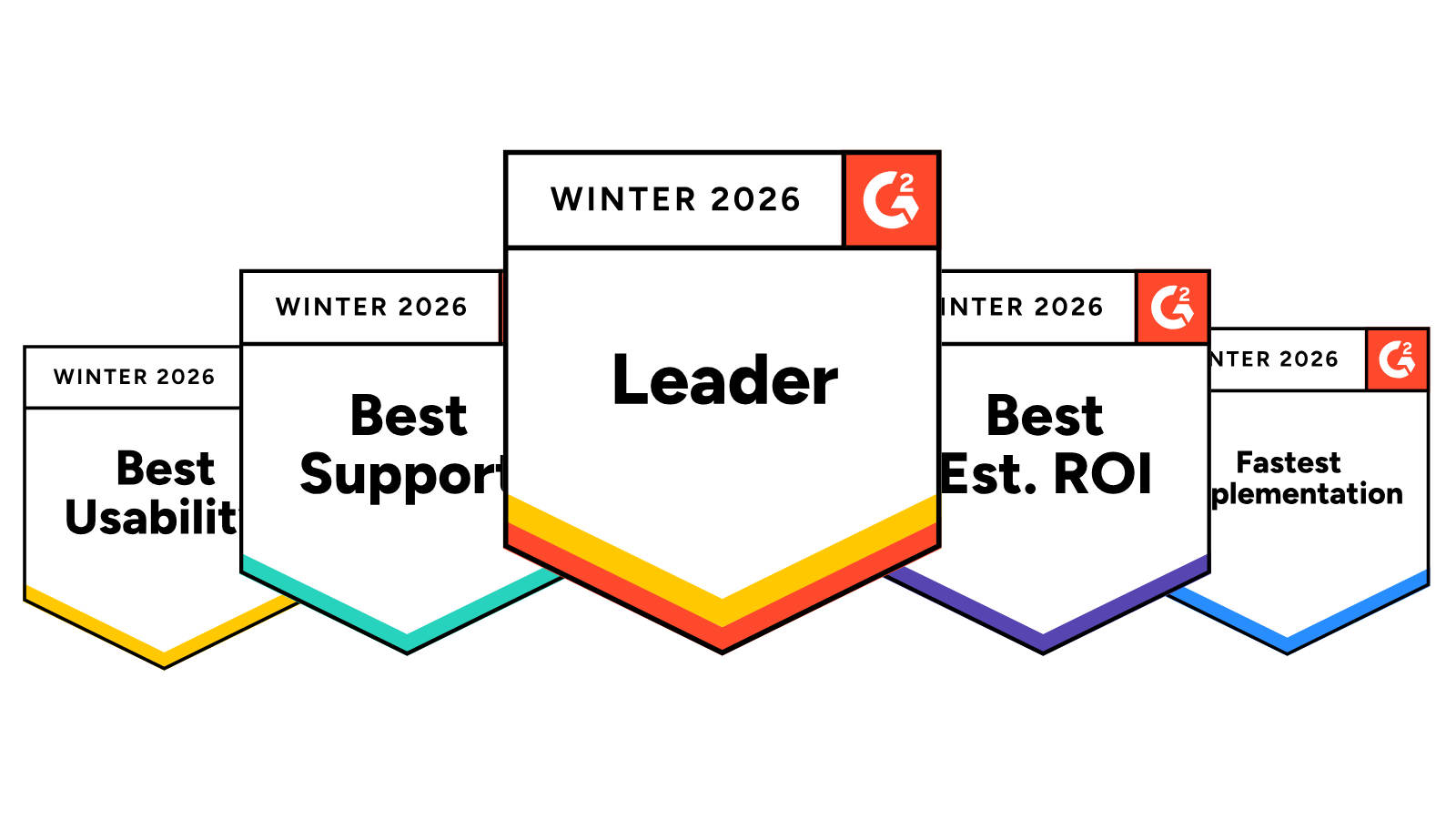
Opting for a SaaS solution also provides human support. Optimizing user journeys, refining messaging, and selecting design layouts directly influence opt-in rates and, consequently, the activation of marketing data. Axeptio relies on its Customer Success team to guide these decisions. Meanwhile, its support team—recognized as "Best Support" by G2 in 2026—responds rapidly when adjustments are needed.
While AI can generate a response to a compliance need, it cannot provide the operational accountability or the performance of the final result.
Mitigating Risk by Returning to the Source
It is common knowledge that even the most advanced Large Language Models (LLMs) produce errors. Their responses are based on public data that is sometimes obsolete—data often harvested from the very solutions they claim to replace.
Building a CMP using a model that merely synthesizes existing practices means moving away from expert sources in favor of probabilistic approximations. Consent management involves a company’s legal liability, its ability to leverage data, and its reputation.
Choosing a specialized platform means relying on an audited, certified actor integrated into an institutional and technological network whose core business is compliance.
The question is not whether to dismiss AI where it offers genuine productivity gains. Rather, it is about the nature of the risk one is willing to delegate to it.
Today, a CMP is a vital nerve center connecting law, technology, marketing, and user trust. At this level, managing institutional and economic risk must take precedence over approaches where performance, compliance, and maintenance remain fragile and uncertain.

.png?width=427&height=213&name=Interflora%20x%20Axeptio%20(1).png)